.png)
Luxury vs Affordable Housing Trends
- Susannah White

- Mar 26
- 2 min read
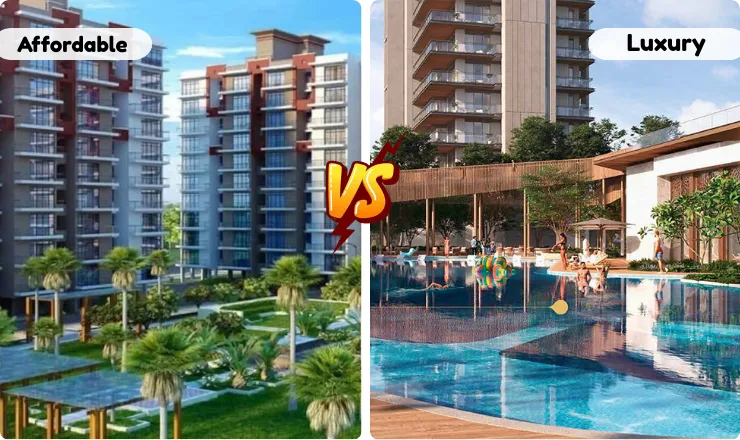
Luxury Housing: Strong, Selective, and Lifestyle-Driven
The luxury segment is resilient and evolving, even in a slower market.
Key Trends:
Prices are stable or slightly rising, especially in ultra-luxury tiers
Many buyers pay cash, reducing impact of interest rates
Demand is driven by lifestyle, status, and long-term investment
Features like wellness spaces, smart tech, and luxury finishes increase value
👉 Insight: Luxury real estate behaves like a wealth asset, not just housing.
🏠 Affordable Housing: High Demand, Limited Supply
Affordable housing is where the real pressure is happening.
Key Trends:
Demand is very high, especially from first-time buyers
Supply remains insufficient globally
Rising costs are pushing more people into renting or delaying ownership
Financial stress is increasing among lower-income homeowners and renters
👉 Insight: Affordable housing is a necessity market—driven by survival, not luxury.
⚖️ The Growing Gap Between the Two
One of the biggest 2026 trends is the widening gap between luxury and affordable housing.
Developers are focusing more on high-end projects (higher profits)
Affordable housing demand is rising faster than supply
Middle-class buyers are getting squeezed out
👉 Result:
More renters
Delayed homeownership
Growing housing inequality
📊 Investment Perspective: Where the Money Is Going
💎 Luxury:
Seen as wealth preservation
Strong interest from global investors
Less sensitive to interest rates
🏠 Affordable:
Strong long-term demand
Government-backed opportunities
Higher volume, but lower margins
👉 Smart investors often balance both:
Luxury for capital growth
Affordable for steady rental income
🔮 What to Expect Moving Forward
✔ Luxury market stays stable and selective
✔ Affordable housing shortage continues
✔ Governments may increase housing programs
✔ More innovation in mid-market & co-living spaces
💡 Final Takeaway
👉 Luxury = Opportunity + Stability
👉 Affordable = Demand + Pressure


Comments