.png)
The Importance of Property Surveys in Real Estate
- Susannah White

- Mar 4
- 2 min read
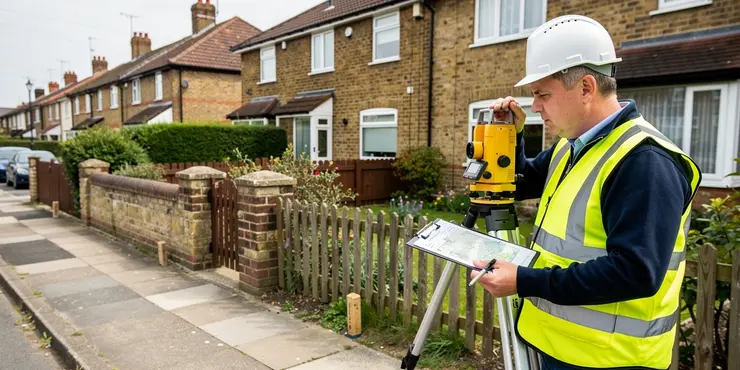
A property survey is an essential step in many real estate transactions. It provides an accurate map of a property’s boundaries, structures, and physical features. By clearly defining the limits of a property, a survey helps protect both buyers and sellers from potential disputes and misunderstandings.
What Is a Property Survey?
A property survey is a professional inspection conducted by a licensed land surveyor. The surveyor measures the land and creates a detailed map showing the exact boundaries of the property. This map may also include buildings, fences, driveways, easements, and other physical features located on the land.
Confirming Property Boundaries
One of the main purposes of a property survey is to confirm where the property boundaries are located. This ensures that buyers understand exactly what land they are purchasing. It also helps prevent disputes with neighbors regarding property lines.
Identifying Easements and Encroachments
Property surveys can reveal easements and encroachments that may affect how the property can be used. An easement allows another party, such as a utility company, to use part of the property for a specific purpose. An encroachment occurs when a structure crosses over the legal property boundary.
Supporting the Closing Process
Lenders and title companies sometimes require a property survey before closing on a real estate transaction. The survey helps confirm that there are no boundary issues that could affect the property’s legal ownership or value.
Planning Future Improvements
Property surveys are also helpful for homeowners who plan to build additions, fences, or other structures. Knowing the exact property lines ensures that any improvements stay within the legal boundaries of the property.
Avoiding Legal Disputes
Without a property survey, misunderstandings about land boundaries can lead to conflicts with neighbors or legal complications later on. A survey provides documented proof of the property’s dimensions and limits, which can help resolve disputes if they arise.


Comments