.png)
What New Developments Mean for Nearby Home Values
- Susannah White

- Feb 11
- 2 min read
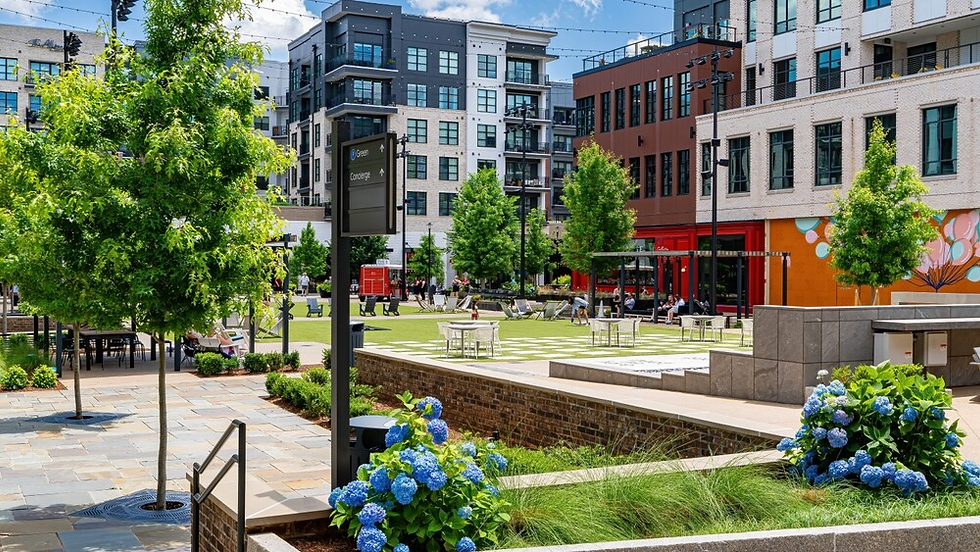
When buyers or homeowners hear about a new development coming to the area, one of the first questions is: “Will this make my home more valuable — or hurt it?” The short answer is that development can impact values, but the effect depends on the type, scale, and quality of the project.
Here’s how to think about new development without fear or hype.
1. Adding Amenities Can Increase Demand
Developments that bring amenities — such as shops, restaurants, parks, schools, or transit options — tend to support nearby home values.
Why:Amenities improve convenience and lifestyle, which buyers are willing to pay for, especially in markets where walkability and access matter.
Impact:Homes within a pleasant walking distance often see stronger demand and value support over time.
2. Infrastructure Improvements Benefit Long-Term Value
Road upgrades, sidewalks, utilities, and public spaces can quietly boost home values, even if buyers don’t notice them immediately.
Well-planned infrastructure:
Improves safety
Reduces travel friction
Enhances neighborhood appeal
These long-term enhancements make areas more livable and attractive.
3. Residential Growth Can Expand Buyer Pools
New housing development often brings new residents. More people living nearby can signal strong community demand.
When this helps values:
The new development is compatible with existing neighborhoods
Schools and services can absorb growth
Traffic and congestion impacts are managed
Growth doesn’t automatically lower value. It often expands interest.
4. Density and Scale Matter
Large infill projects or high-density development affect neighborhoods differently than modest, well-integrated ones.
Friendly development usually features:
Design sensitivity
Thoughtful traffic planning
Green space and buffers
Compatible architectural scale
Poorly executed projects may create noise or congestion, which buyers sometimes view less favorably.
5. Construction Disruption Is Temporary
Short-term construction can be noisy and inconvenient. Buyers touring during an active build often react emotionally.
Important:Temporary disruption is not the same as long-term value impact.
Often, once construction finishes, communities settle and values adjust positively over time.
6. New Supply Can Shift Pricing Perception
When new homes enter a market, buyers notice modern layouts, finishes, and amenities. This can influence how buyers perceive value in older homes nearby.
Outcome:
Well-maintained older homes still hold value
Buyers often compare condition and upgrades
Renovations can improve competitiveness
Supply matters, but demand and desirability matter more.
7. What Buyers Should Watch
If you’re considering buying near new development:
Ask about project type and timeline
Visit during different times of day
Research traffic and infrastructure plans
Talk to residents about long-term vision
Good information makes decisions clearer.
8. What Sellers Should Know
If you’re selling near new development:
Be transparent with buyers
Highlight any nearby improvements
Price based on real comparables
Position the development as a benefit, not a risk
Understanding perception helps pricing strategy.
Final Thoughts
New development doesn’t automatically raise or lower nearby values. It reshapes buyer perception and convenience over time. Projects that enhance amenities, infrastructure, and lifestyle tend to support or increase home values. Projects that ignore compatibility can create hesitation.


Comments