.png)
What to Look for During a Home Showing
- Susannah White

- Jan 29
- 2 min read
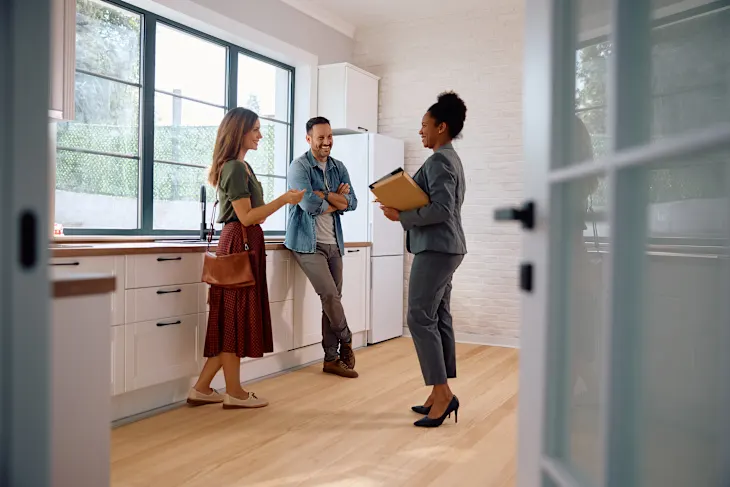
A home showing is not just about whether you like the house.It is about whether the home will work for you long after the excitement wears off.
Here is what smart buyers pay attention to while walking through a home.
1. Layout and Flow
Picture everyday life, not furniture placement.
Ask yourself:
Does the layout match how I live day to day?
Are bedrooms and living areas positioned well?
Is there enough storage where it actually matters?
A beautiful home that lives poorly becomes frustrating quickly.
2. Natural Light and Airflow
Light and air change how a home feels.
Pay attention to:
Window size and placement
Direction the home faces
How air moves when windows are open
Dark or stuffy homes often feel smaller over time.
3. Walls, Ceilings, and Floors
Cosmetic issues are easy to fix. Structural ones are not.
Look for:
Cracks in walls or ceilings
Uneven or sloping floors
Water stains or discoloration
Small visual clues can point to bigger concerns.
4. Windows and Doors
These affect comfort, energy costs, and security.
Check whether:
Windows open and close smoothly
Doors seal properly
Frames show signs of wear or moisture
Replacing windows or doors can be costly.
5. Kitchen and Bathroom Function
You do not need to love the finishes. You need to trust the function.
Test:
Water pressure and drainage
Cabinet and drawer condition
Counter and appliance layout
These rooms heavily influence long-term satisfaction and resale value.
6. Noise and Surroundings
Pause and listen.
Notice:
Traffic noise
Neighbor sounds
Nearby businesses or schools
Noise patterns are easier to catch during a showing than after moving in.
7. Storage and Utility Areas
Closets, laundry spaces, garages, and utility rooms matter more than most buyers expect.
Ask:
Is there enough storage for real life?
Are utilities accessible and well-maintained?
Lack of storage often becomes a daily annoyance.
8. Outdoor Space and Exposure
Look beyond size.
Consider:
Privacy
Sun exposure
Drainage
Maintenance requirements
Outdoor space should feel usable, not overwhelming.
9. Neighborhood Feel
If possible, walk the street.
Observe:
Parking availability
Traffic flow
Overall upkeep
You are buying the neighborhood as much as the home.
10. Your Gut Reaction
Discomfort is information.
If you find yourself explaining away concerns or feeling uneasy, pause. The right home should make sense both emotionally and logically.
Bottom Line
A showing is about gathering information, not making instant decisions.
The right home will:
Feel comfortable
Make practical sense
Raise fewer questions than answers


Comments